Streamlining the Upper Ranks
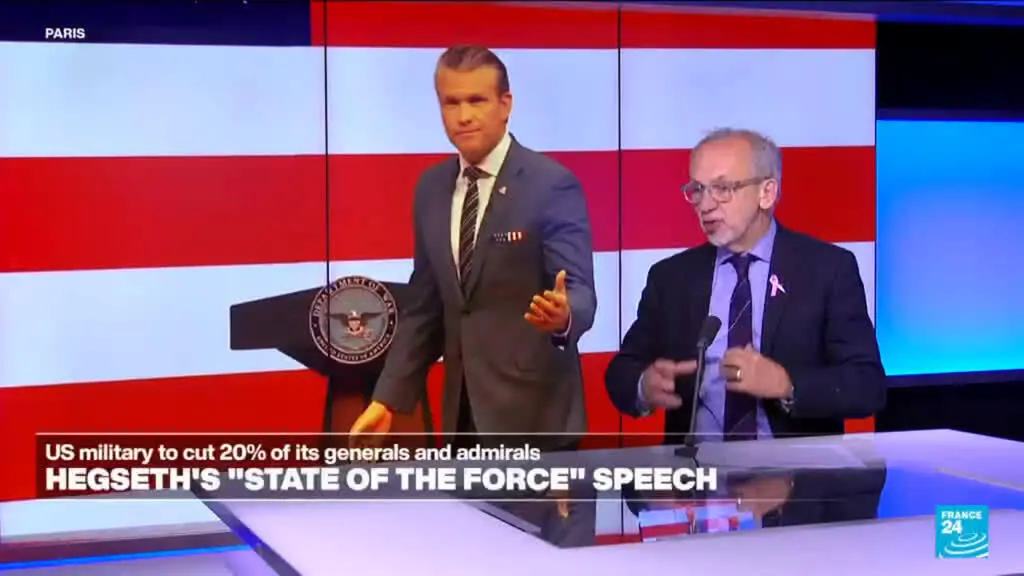
Defense Secretary Pete Hegseth announced a drastic restructuring of the United States military during a major policy address on Wednesday. The sweeping reform mandates a twenty percent reduction in the total number of generals and admirals serving across all branches of the armed forces.
The initiative aims to streamline military operations and refocus resources on frontline capabilities rather than top-heavy administration. Hegseth outlined the plan during his first major address regarding the current state of the armed forces, signaling a significant shift in Pentagon management philosophy.
Will the Cuts Affect Combat Readiness?
The decision to cut high-ranking officers addresses long-standing concerns about administrative bloat within the Department of Defense. Lawmakers and defense analysts have frequently criticized the disproportionate growth of senior leadership positions relative to the overall size of the active-duty force.
By eliminating one-fifth of the general and flag officer billets, the administration hopes to foster faster decision-making processes. This leaner command structure is intended to improve operational agility and ensure greater accountability at the highest levels of national defense.
Military planners are currently assessing how to implement the reductions without disrupting ongoing strategic missions around the globe. The transition will require careful management to redistribute responsibilities among remaining senior leaders and experienced field commanders.
Frequently Asked Questions
The long-term success of this initiative will depend on how effectively the Pentagon reallocates the savings generated by the downsizing. Observers will closely monitor the execution phase to evaluate whether the reduction successfully achieves a more efficient and combat-effective force.
Q: Who announced this military restructuring plan? A: Defense Secretary Pete Hegseth revealed the new policy during his state of the force speech on Wednesday.