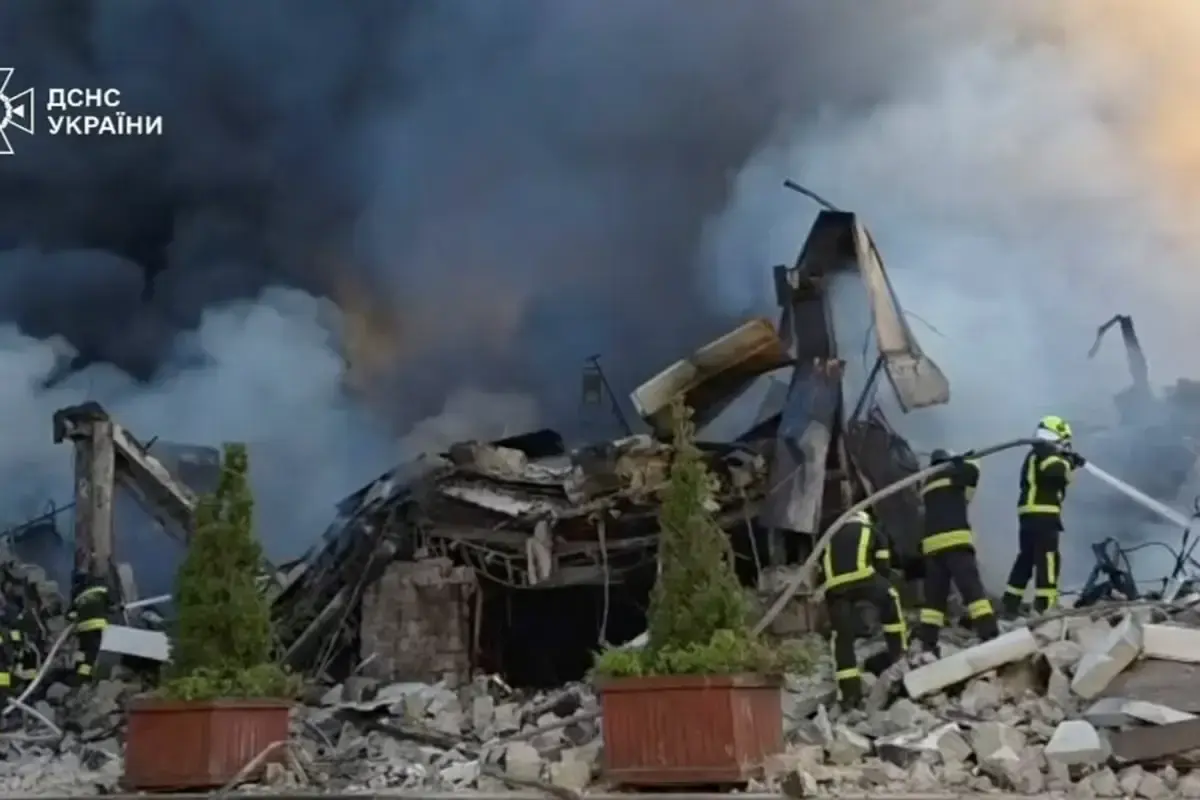
Why Kyiv Remains the Primary Target
Moscow has intensified air raids on Ukraine’s capital this week, even as it claims to be ready for peace talks. The attacks come amid reports that Russian troops are losing momentum in eastern combat zones, where supply shortages and stiff Ukrainian resistance are slowing the advance.
Analysts say the surge in strikes aims to pressure Kyiv politically while the Russian army grapples with logistical bottlenecks. Heavy artillery and missile launches have targeted civilian infrastructure, prompting Ukrainian officials to label the campaign a „strategic intimidation” rather than a genuine push for negotiations. Kremlin spokespeople maintain that the operations are „limited” and intended to compel the West to engage diplomatically.
The capital’s symbolic value makes it a focal point for Russian strategy. By hitting Kyiv’s power grid and transport hubs, Moscow hopes to erode public morale and force the Ukrainian government to concede. „Every strike is calibrated to signal that we can reach the heart of Ukraine,” a senior Russian defense analyst told reporters. Ukrainian military sources, however, report that their air defenses have downed a majority of incoming projectiles, limiting civilian casualties.
Can Negotiations Halt the Bombardment?
At the same time, frontline units in the Donbas region report dwindling ammunition and delayed reinforcements. Ukrainian commanders note that Russian armored columns are stalling near key towns, with many vehicles breaking down due to maintenance issues. „Our troops are fighting a war of attrition, not a swift breakthrough,” said a Ukrainian lieutenant colonel. The contrast between high‑profile attacks on Kyiv and the grinding stalemate on the ground highlights a strategic disconnect within Moscow’s war machine.
International mediators warn that continued strikes could derail any diplomatic progress. The United Nations has called for an immediate ceasefire, urging both sides to return to the negotiating table. „Escalation in the capital only hardens Kyiv’s resolve,” said a senior UN official.
Ukrainian President Volodymyr Zelensky has reiterated his willingness to discuss terms, but he insists that any talks must be preceded by a halt to hostilities. „We will not negotiate under fire,” he declared in a televised address. Russian officials, meanwhile, accuse Kyiv of using the ceasefire demand as a stalling tactic. The back‑and‑forth has left observers uncertain whether the recent attacks are a bargaining chip or a sign of internal pressure within the Russian command.
If the bombardment continues, Kyiv’s infrastructure could suffer irreversible damage, complicating reconstruction efforts after the war. Conversely, a credible pause in fighting might open a narrow window for diplomatic breakthroughs, though both sides remain entrenched. The coming weeks will test whether Moscow’s dual strategy of pressure and negotiation can coexist, or if the conflict will spiral further.
Frequently Asked Questions
What types of weapons are being used in the recent Kyiv attacks? Russia has deployed a mix of cruise missiles, short‑range rockets and artillery shells, many intercepted by Ukraine’s air defense systems.
Why is the Russian front line reportedly slowing down? Supply chain disruptions, equipment failures and fierce Ukrainian resistance have limited the momentum of Russian armored and infantry units.
Is there any sign that peace talks could start soon? International diplomats say the window is narrow; any progress depends on a mutually agreed ceasefire, which both sides currently reject under fire.