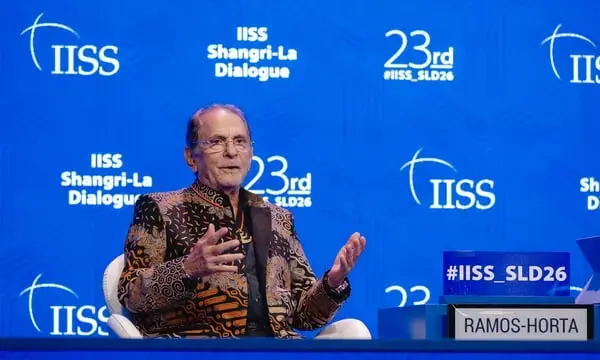
Healing the Wounds of the Past
Indonesia and Timor-Leste have put their tumultuous past behind them, achieving a remarkable feat of diplomacy. The two nations share a complex history. Reconciliation efforts began after Timor-Leste gained independence in 2002.
The path to reconciliation was not straightforward. Indonesia and Timor-Leste had to navigate years of conflict and violence. Diplomatic efforts focused on rebuilding trust and fostering cooperation. Both countries worked to address the root causes of their past conflicts.
Can Diplomacy Overcome Historical Grievances?
The reconciliation process involved acknowledging the suffering of those affected by the conflict. Both nations established commissions to investigate human rights abuses. These efforts helped to create a foundation for forgiveness and rebuilding.
The success of Indonesia and Timor-Leste's reconciliation serves as a model for other nations. It demonstrates that even the most deep-seated conflicts can be resolved through diplomacy and cooperation.
The experience of Indonesia and Timor-Leste shows that diplomacy can be effective in overcoming historical grievances. The key to their success lay in their willingness to engage in open dialogue and cooperation.
Frequently Asked Questions
As a result of their reconciliation, Indonesia and Timor-Leste have strengthened their bilateral relations. The two nations now cooperate on economic and security issues, creating a more stable region.
What sparked the conflict between Indonesia and Timor-Leste? The conflict began when Indonesia annexed Timor-Leste in 1975, leading to a long period of violence and resistance. How did the reconciliation process begin? The process started with the establishment of a truth and reconciliation commission to investigate human rights abuses. What are the benefits of Indonesia and Timor-Leste's reconciliation? The reconciliation has led to improved bilateral relations, increased economic cooperation, and a more stable region.