Russia's Energy Leverage
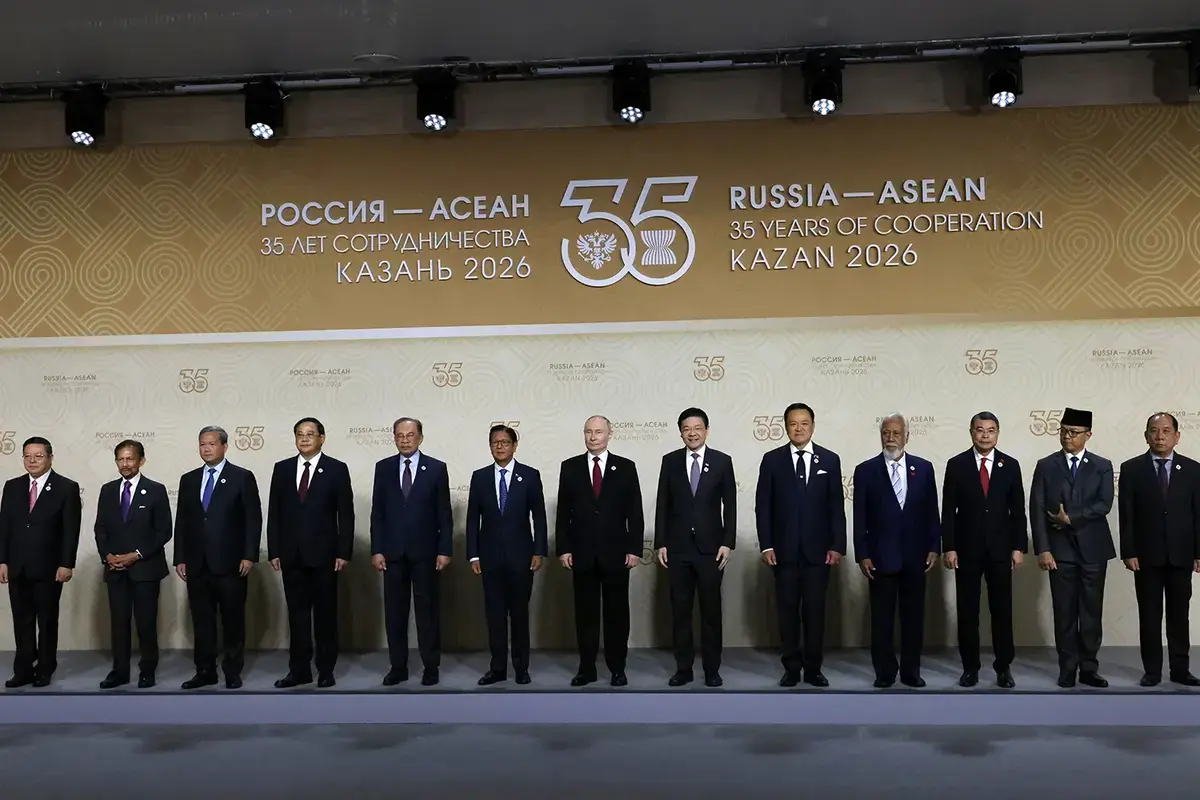
Russia is making significant inroads in Southeast Asia, a region hungry for energy resources. The region's growing demand for fuel is being met by Russia's vast energy supplies.
Southeast Asia's increasing reliance on Russian energy is driven by the region's rapid economic growth and rising energy needs. Russia's energy exports to the region have been steadily increasing, with countries such as Vietnam and Indonesia becoming major importers of Russian coal and oil.
Russia's energy exports are not only driven by economic considerations but also by geopolitical motivations. Moscow is using its energy supplies as a tool to expand its influence in the region, which is increasingly caught between the competing interests of China and the United States.
Can Russia Maintain its Energy Edge?
By providing energy to Southeast Asian countries, Russia is strengthening its diplomatic ties with them. For example, Russia has been working closely with Vietnam to develop its energy sector, including the construction of a nuclear power plant.
As the global energy landscape continues to evolve, Russia's ability to maintain its energy edge in Southeast Asia remains uncertain. The region is increasingly diversifying its energy sources, with many countries turning to renewable energy and other alternatives.
Despite these challenges, Russia is likely to remain a significant player in Southeast Asia's energy market for the foreseeable future. The region's continued reliance on fossil fuels and Russia's established presence in the market will ensure that Moscow remains a key energy supplier.
Frequently Asked Questions
What is driving Russia's expansion into Southeast Asia? Russia is driven by a desire to expand its influence and tap into the region's growing energy demand. Its vast energy resources make it an attractive partner.
How is Russia's energy expansion affecting the region? Russia's energy exports are helping to meet the region's growing energy needs, but also raising concerns about the region's increasing reliance on a single supplier.
What are the implications for the region's energy security? The region's energy security is likely to be shaped by its ability to diversify its energy sources and reduce its reliance on any single supplier.