How Will Saudi Arabia Strengthen Its Air Defenses?
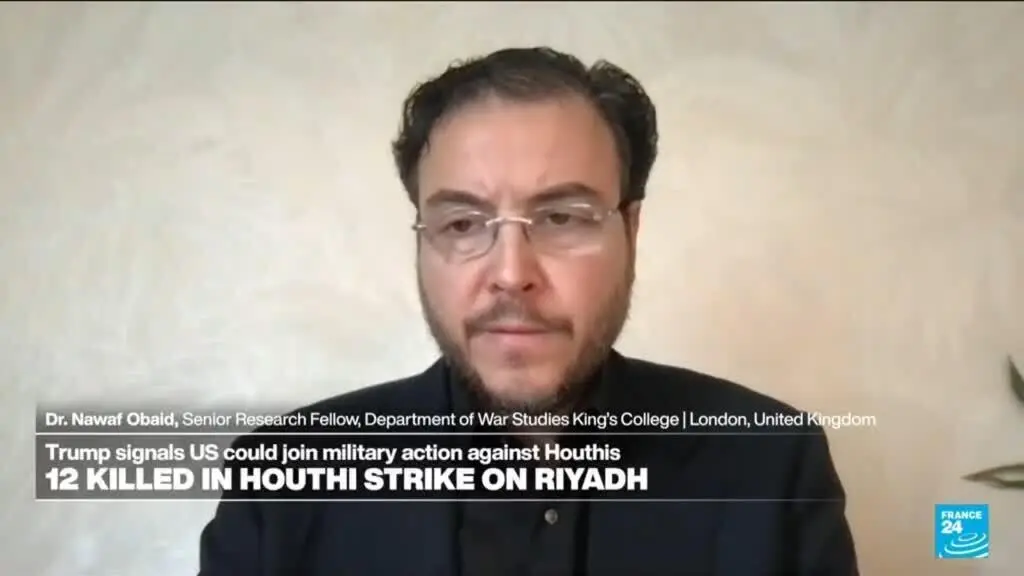
On Saturday, a deadly attack struck Riyadh, marking the most lethal assault on Saudi soil in over a decade. The incident occurred in the capital city during daylight hours, targeting a residential area and resulting in multiple casualties. Emergency services responded swiftly, but the scale of the violence shocked residents and officials alike. The attack represents a significant escalation in the ongoing regional conflict, raising urgent questions about security vulnerabilities and the effectiveness of current defense measures.
The strike appears to have been carried out using long-range projectile technology, suggesting involvement from non-state actors operating beyond Saudi borders. Intelligence analysts note the precision of the attack indicates prior surveillance and planning, possibly linked to groups active in neighboring Yemen. The Saudi-led coalition, which has been engaged in military operations in Yemen since 2015, now faces renewed pressure to reassess its strategic approach. Officials have not yet attributed responsibility, but preliminary assessments point to potential retaliation for coalition airstrikes in Houthi-controlled territories.
What Diplomatic Moves Could Follow the Riyadh Strike?
In response to the attack, Saudi authorities are expected to accelerate deployment of advanced missile interception systems along key urban corridors. The kingdom has invested heavily in foreign defense technology, including Patriot and THAAD batteries, but gaps remain in coverage over densely populated zones. Military experts argue that integrating radar networks with real-time threat tracking could improve early warning capabilities. Civil defense drills may also be expanded in major cities to prepare residents for future incidents. Balancing robust protection with civil liberties remains a delicate challenge for policymakers.
The attack may prompt Saudi Arabia to seek stronger international backing for its position in the Yemen conflict, particularly from Western allies concerned about regional instability. Behind-the-scenes negotiations could intensify to pressure Iran, which Riyadh accuses of supplying weapons to Houthi forces. Simultaneously, the coalition might explore limited ceasefire initiatives to reduce retaliatory risks, though hardliners within the government resist concessions. Any diplomatic shift will depend on verifying the attackers’ origins and assessing whether the strike was an isolated act or part of a broader campaign.
Who carried out the strike on Riyadh? Authorities have not officially identified the perpetrators, but early evidence suggests the attack originated from outside Saudi territory, possibly linked to Yemen-based groups opposing the Saudi-led coalition.
Frequently Asked Questions
Could this lead to a wider regional confrontation? While the incident raises tensions, both Saudi Arabia and its adversaries appear keen to avoid uncontrolled escalation, though miscalculations during retaliatory actions could increase the risk of broader conflict.
Is Riyadh now more vulnerable to future attacks? The strike exposed vulnerabilities in current air defense coverage, prompting urgent reviews of security protocols, though officials maintain that major cities remain protected by layered defense systems.