The Invisible Architects of Community Resilience
In conflict zones like Darfur, women serve as the primary glue holding shattered communities together. Despite their role in sustaining families and local stability, international peace processes frequently sideline them. From the end of the Cold War to the present day, global diplomatic efforts have consistently failed to grant women meaningful seats at the negotiating table.
While United Nations mandates have long emphasized the importance of female inclusion, the reality on the ground remains starkly different. Women are often the first to experience the horrors of war, yet they are rarely consulted when the time comes to draft ceasefire agreements or long-term political settlements. This oversight creates a fundamental gap in how peace is constructed, often leading to fragile outcomes that ignore the humanitarian needs of the most vulnerable populations.
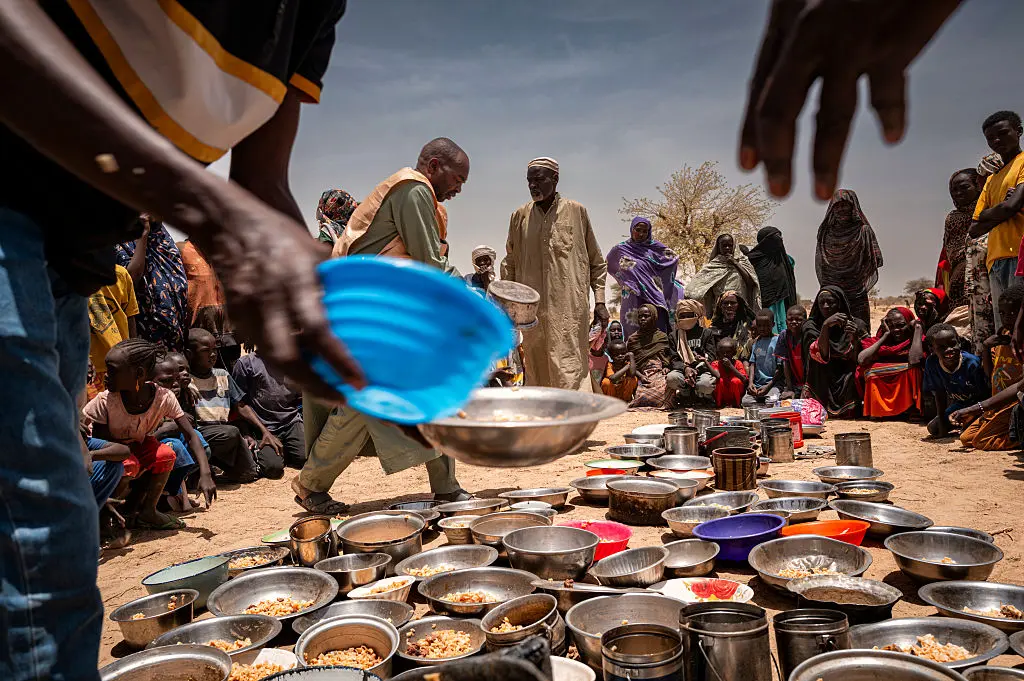
During crises, women manage communal kitchens and emergency response networks that keep displaced populations alive. Their work is essential for survival, yet this grassroots expertise is rarely translated into formal diplomatic influence. By ignoring these frontline perspectives, mediators miss critical insights into the social fabric of the regions they aim to stabilize.
Why Does Diplomatic Exclusion Persist?
When women are excluded, the resulting peace deals often focus exclusively on power-sharing between armed factions. These agreements frequently overlook issues such as gender-based violence, access to basic resources, and the restoration of social services. Without these components, the peace achieved is often superficial and fails to address the underlying causes of the conflict.
The persistent marginalization of women in peace talks stems from entrenched patriarchal norms within international security circles. Decision-makers often view security through the narrow lens of military strength rather than human security. Consequently, the voices of those who bear the brunt of the violence are dismissed as secondary to the concerns of the combatants.
Frequently Asked Questions
If this trend continues, the global community risks repeating past failures where temporary truces collapse into renewed violence. True stability requires a shift from military-centric negotiations to inclusive processes that value the lived experiences of women. Without this transformation, the quest for lasting peace will remain an elusive goal for the world’s most volatile regions.
Why is the exclusion of women considered a failure in peace processes? Excluding women ignores the perspectives of those most affected by conflict and leads to agreements that fail to address humanitarian needs. This narrow focus often results in fragile peace deals that struggle to maintain long-term stability.
What role do women play in conflict-ridden areas? Women frequently manage essential services like communal kitchens and emergency response networks. Their efforts are critical to maintaining community cohesion and survival while formal political structures remain paralyzed.