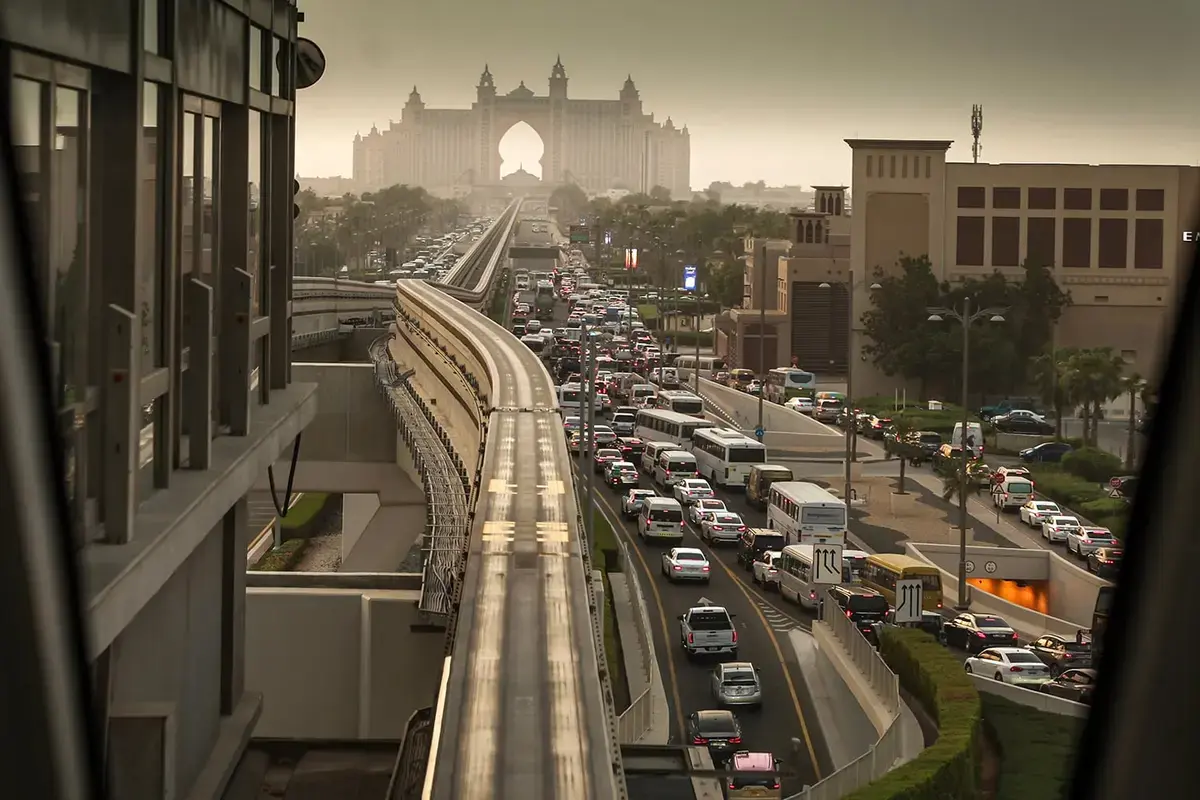
A New Era of Regional Fragmentation
The Middle East is experiencing a significant shift in its economic and security landscape, driven by diverging interests among major powers. Regional dynamics are being reshaped, and countries are being forced to adapt. This divergence is creating new challenges and opportunities.
The region's economic and security interests are increasingly fragmented, with different countries pursuing distinct agendas. The traditional alliances and rivalries are being reconfigured, leading to a more complex and uncertain environment. Rabah Arezki and Tarik M. Yousef, experts in the field, argue that this divergence is driven by a combination of factors, including the changing global economic landscape and the rise of new regional powers.
Can Regional Powers Find Common Ground?
The Middle East is no longer a monolithic region, with countries now being pulled in different directions by competing interests. The Gulf states, for example, are increasingly focused on their own economic and security priorities, which are not always aligned with those of other regional players. This fragmentation is creating new tensions and rivalries, as countries compete for influence and resources.
The divergence is also driven by the growing importance of new economic and security issues, such as the rise of renewable energy and the threat of terrorism. Countries that are able to adapt to these changing circumstances are likely to thrive, while those that fail to do so may struggle to remain relevant.
As the region continues to diverge, the question remains whether regional powers will be able to find common ground and cooperate on key issues. While there are certainly challenges to cooperation, there are also opportunities for countries to work together on issues such as trade and security.
Frequently Asked Questions
The consequences of the Middle East's great divergence will be far-reaching, with significant implications for regional stability and global security. As the region continues to evolve, it is likely that new alliances and rivalries will emerge, and countries will need to be agile in responding to changing circumstances.
What is driving the Middle East's great divergence? The divergence is driven by a combination of factors, including changing global economic circumstances and the rise of new regional powers. How will the divergence affect regional stability? The divergence is likely to create new tensions and rivalries, potentially destabilizing the region. Can countries adapt to the changing circumstances? Countries that are able to adapt to the changing economic and security landscape are likely to thrive, while those that fail to do so may struggle.