Clearing a Sea of Debris with Spoons
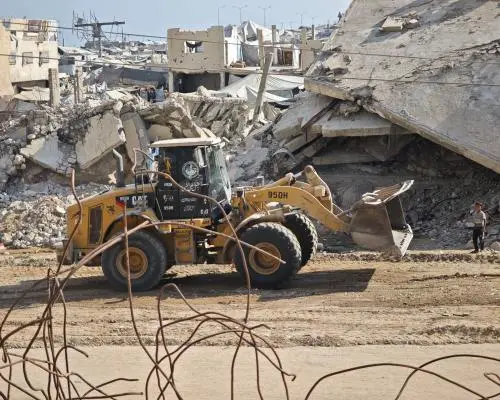
Aid workers in Gaza City face a staggering humanitarian crisis as they attempt to clear an estimated 61 million tons of war debris. Engineer Ahmed Alyan spent an exhausting entire day clearing just a single section of road in the Tel al-Hawa neighborhood, only to remain surrounded by massive mountains of broken concrete and twisted metal.
The colossal cleanup effort involves much more than simply moving broken buildings out of the way. Buried deep beneath the dust and concrete are lost lives, treasured family memories, and a lethal hidden threat of unexploded Israeli bombs. Working in intense heat, local teams use heavy machinery alongside manual labor to make roads passable, yet progress feels microscopic compared to the scale of destruction.
The sheer volume of waste overwhelms those tasked with restoring basic infrastructure to the devastated urban landscape. Alyan described the immense daily challenge facing United Nations engineers and humanitarian crews on the ground.
Can This Massive Cleanup Ever Succeed?
„I feel as if we are holding a spoon and trying to empty the sea,”Alyan explained, wiping sweat from his forehead after hours of grueling labor in the stifling conditions. The rubble piles block every major thoroughfare, trapping residents and preventing emergency vehicles from reaching those in need.
Removing millions of tons of wreckage will take years, requiring specialized international equipment and vast financial resources to handle safely. Until the hazardous ordnance hidden within the ruins is neutralized, every movement of debris remains a dangerous gamble for the workers involved.
Frequently Asked Questions
The monumental task underscores the long-term obstacles facing Gaza as communities try to rebuild amidst the ruins. Without immediate global assistance and advanced demolition tools, the path to recovery remains blocked by the staggering physical remnants of conflict.
What is the estimated amount of debris in Gaza? Aid workers and engineers estimate there are approximately 61 million tons of war debris scattered across the territory.
Why is the cleanup process so dangerous? In addition to the sheer weight of the ruins, the rubble contains unexploded ordnance and human remains, making every step of the excavation hazardous.