Trust as the Alliance’s Glue
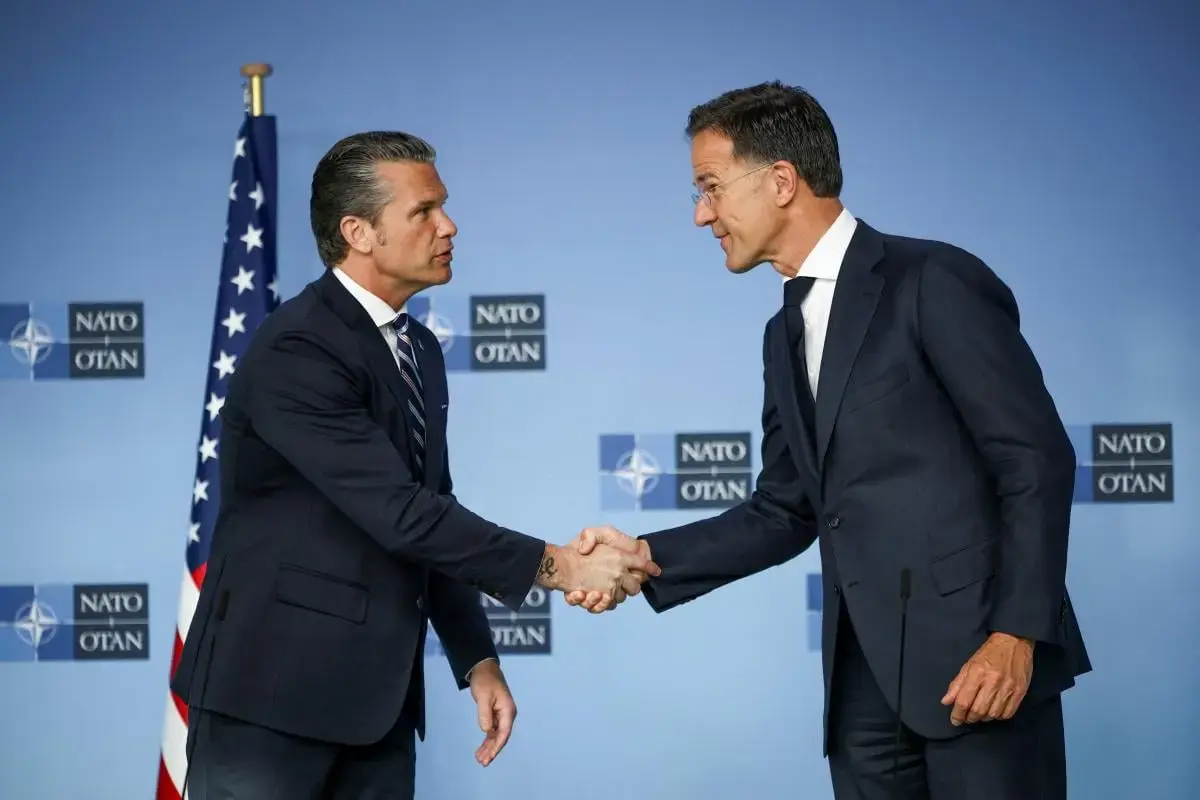
Washington, Brussels – In early June 2026, U. S. Secretary of Defense Pete Hegseth met NATO Secretary‑General Mark Rutte in Brussels. The talks, held under the shadow of rising security threats, highlighted growing U. S. skepticism toward the alliance’s relevance. Wolfgang Ischinger, chair of the Munich Security Conference, warned that eroding trust could jeopardize the partnership.
Ischinger’s remarks came after Hegseth questioned NATO’s strategic direction and urged Europe to assume more responsibility for its own defense. He cited the need for „fairer burden sharing” and suggested that the alliance’s collective decisions were being hampered by divergent national interests. European officials, meanwhile, stressed that the transatlantic bond remains the cornerstone of regional stability, especially as Russia’s aggression persists in Eastern Europe and China expands its influence in the Indo‑Pacific.
Ischinger argued that trust is not a luxury but a prerequisite for any joint security venture. „When Washington discounts NATO’s value, it weakens the very fabric that holds Europe and America together,” he said. Data from the latest NATO budget review show that U. S. defense spending accounts for roughly 55 % of the alliance’s total, yet the U. S. has repeatedly called for European nations to increase their contributions. Recent polls indicate that public confidence in NATO has slipped to 48 % in the United States, down from 62 % two years earlier.
Can NATO Survive Without U. S. Leadership?
European leaders responded by reaffirming their commitment to the alliance’s core principles. Rutte emphasized that „shared values and mutual defense obligations are non‑negotiable.” He also announced a new joint investment in cyber‑defense infrastructure, aiming to pool resources and reduce duplication. The initiative is expected to allocate €1.2 billion over the next five years, a move designed to demonstrate tangible cooperation and rebuild confidence among member states.
Analysts question whether the alliance can endure a prolonged period of American disengagement. Some scholars argue that NATO could evolve into a more decentralized security network, relying on regional partnerships and increased EU defense capabilities. Others warn that a fragmented approach would leave gaps in collective deterrence, especially against hybrid threats.
If Washington continues to downplay NATO’s strategic importance, the alliance may face a credibility gap that could embolden adversaries. Conversely, a renewed U. S. commitment, coupled with genuine European burden sharing, could restore the partnership’s relevance and deter aggression. The coming months will test whether diplomatic overtures translate into concrete policy shifts.
Frequently Asked Questions
Why is trust so critical for NATO’s effectiveness? Trust ensures that member states can rely on each other’s commitments, enabling rapid decision‑making and coordinated responses to crises. Without it, joint operations become sluggish and vulnerable to exploitation.
What concrete steps are being taken to improve burden sharing? Europe is increasing defense spending, targeting a 2.5 % GDP threshold, and launching joint projects like the €1.2 billion cyber‑defense fund. These measures aim to balance contributions and showcase collective resolve.
Could NATO survive without U. S. support? While NATO could technically continue without full U. S. involvement, its deterrence credibility would be severely weakened, potentially encouraging adversaries to test the alliance’s resolve.