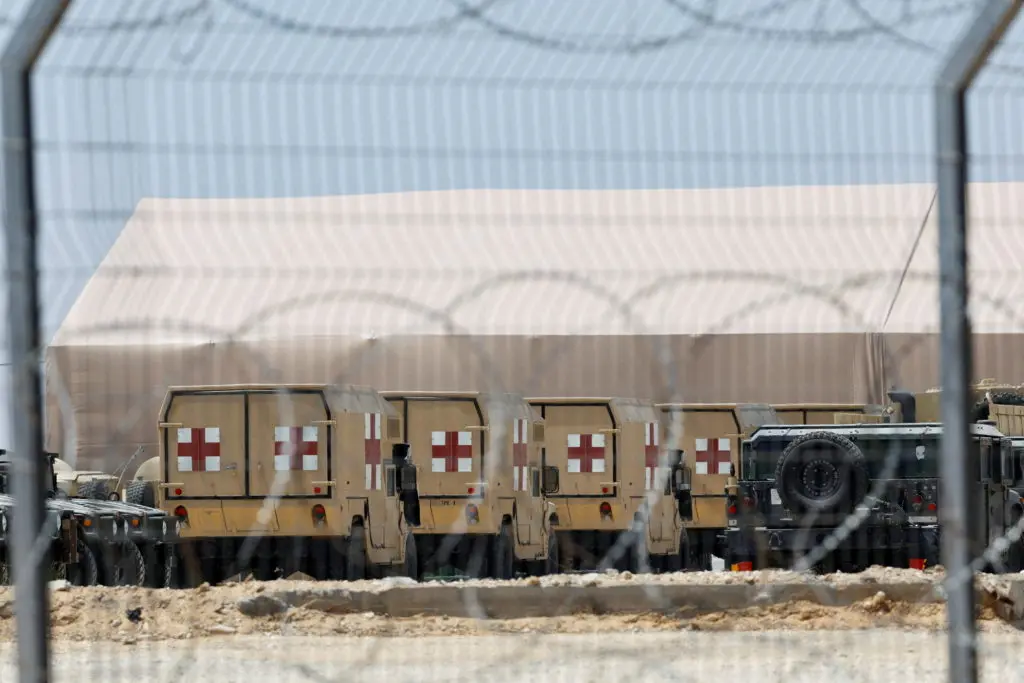
Strategic Funding for Immediate Infrastructure Needs
Governors of Donald Trump’s newly formed Board of Peace have presented a comprehensive reconstruction blueprint for the Gaza Strip. The proposal outlines an initial investment of 2.45 billion dollars to restart infrastructure development. This announcement occurred during a recent gathering of the group’s administrative board members. The plan aims to address immediate needs following years of conflict and destruction in the region.
The financial framework focuses on laying the groundwork for long-term stability in the territory. Officials described the initiative as a critical first step toward normalizing daily life for residents. The funding is intended to cover essential repairs and the establishment of basic services. This move signals a shift toward active international engagement in the post-war recovery phase.
The proposed budget targets specific sectors that suffered significant damage during the conflict. Priority areas include power generation, water treatment, and road networks. These elements are vital for restoring connectivity and hygiene standards across the strip. The council emphasized that this phase is strictly preparatory. It does not yet cover full-scale housing construction or major industrial projects. Instead, it creates the necessary foundation for subsequent waves of investment.
Will This Blueprint Secure Lasting International Support?
Supporters argue that this staged approach minimizes risk and ensures accountability. By focusing on core utilities first, the project can demonstrate tangible progress quickly. The board stressed that transparency would be a cornerstone of the execution process. Independent auditors will monitor the flow of funds to prevent mismanagement. This structure aims to build trust among local stakeholders and international partners.
The reaction to the proposal has been mixed but generally positive among key diplomatic players. Many observers view the monetary commitment as a serious signal of intent. However, critics question whether the amount is sufficient for the scale of devastation. Some experts suggest that billions more will be required in later phases. The success of this initial phase will likely determine future funding commitments.
Diplomats noted that the plan requires careful coordination with local authorities. Ensuring smooth implementation depends on clear communication channels and shared goals. The board plans to hold regular updates to keep stakeholders informed. This ongoing dialogue is crucial for maintaining momentum and adapting to changing conditions on the ground.
Frequently Asked Questions
The next steps involve securing formal approval for the allocated funds. Once approved, construction teams will begin preliminary assessments of damaged sites. The outcome of this pilot phase will set the tone for the broader reconstruction effort. If successful, it could serve as a model for other conflict zones seeking recovery. The coming months will reveal if this ambitious plan translates into visible change for Gazans.
How much money is included in the initial reconstruction plan? The Board of Peace proposed a total of 2.45 billion dollars for the first phase. This sum is dedicated to repairing critical infrastructure like power and water systems.
Who is responsible for managing this new reconstruction fund? The administrative board of the Peace Council oversees the project. They have established protocols for monitoring expenditures and ensuring proper allocation of resources.