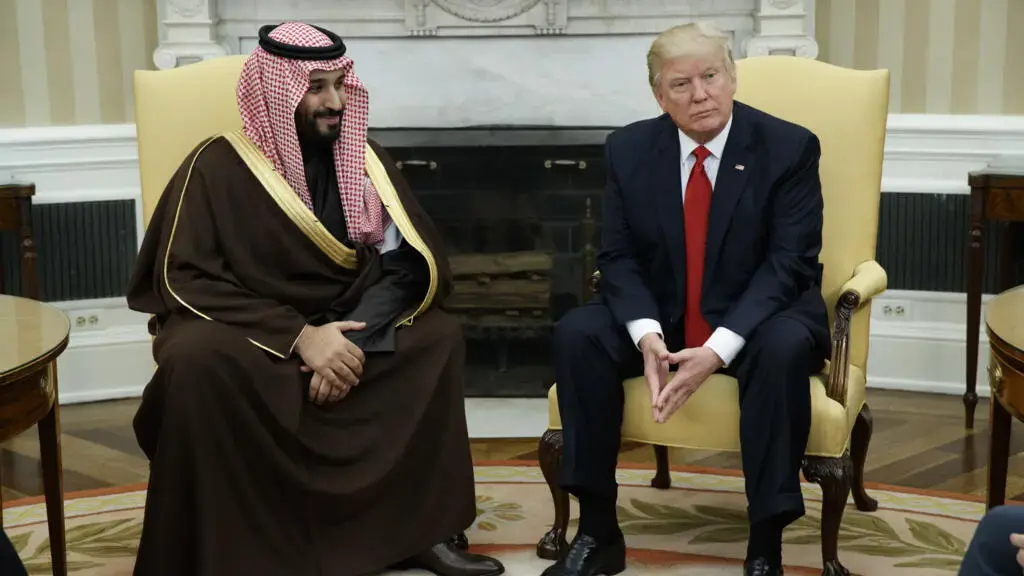
Nuclear Ambitions in the Desert
The United States and Saudi Arabia have reached a civilian nuclear cooperation agreement worth multiple billions of dollars. The deal was announced by the US, marking a significant development in the two countries' energy collaboration. Details of the agreement are yet to be disclosed.
The nuclear deal is part of a broader effort by the US to strengthen its ties with Saudi Arabia, a key ally in the Middle East. The cooperation is expected to enhance Saudi Arabia's nuclear energy capabilities, supporting its growing energy demands.
Can Nuclear Energy Transform Saudi Arabia's Economy?
Saudi Arabia has been actively pursuing nuclear energy to diversify its power mix and reduce its reliance on oil. The kingdom aims to build 16 nuclear reactors by 2032, with the first reactor expected to be operational by 2029. The US-Saudi nuclear deal is seen as a crucial step towards achieving this goal.
The agreement is also expected to create new business opportunities for US companies in the nuclear sector. Several American firms have already expressed interest in participating in Saudi Arabia's nuclear energy projects.
The nuclear deal has significant implications for Saudi Arabia's economy, which has long been dependent on oil exports. By diversifying its energy mix, the kingdom hopes to reduce its vulnerability to fluctuations in global oil prices. Nuclear energy is also expected to support Saudi Arabia's growing industrial sector.
Frequently Asked Questions
The successful implementation of the nuclear deal will depend on various factors, including the development of necessary infrastructure and the establishment of robust safety and security measures. As the deal moves forward, it is likely to have far-reaching consequences for the region's energy landscape.
What is the expected cost of Saudi Arabia's nuclear energy program? The total cost is estimated to be around $80 billion, with the first phase expected to cost around $20 billion. How will the nuclear deal benefit the US? The deal is expected to create new business opportunities for US companies in the nuclear sector, supporting American jobs and economic growth. What are the main challenges facing the implementation of the nuclear deal? The main challenges include developing necessary infrastructure, establishing robust safety and security measures, and addressing concerns related to nuclear proliferation.