Calmer Waters Ahead?
The US and Iran agreed on an interim peace deal on June 15th, 2026, easing tensions in the region. Oil prices dropped sharply. The agreement comes after years of heightened tensions between the two nations.
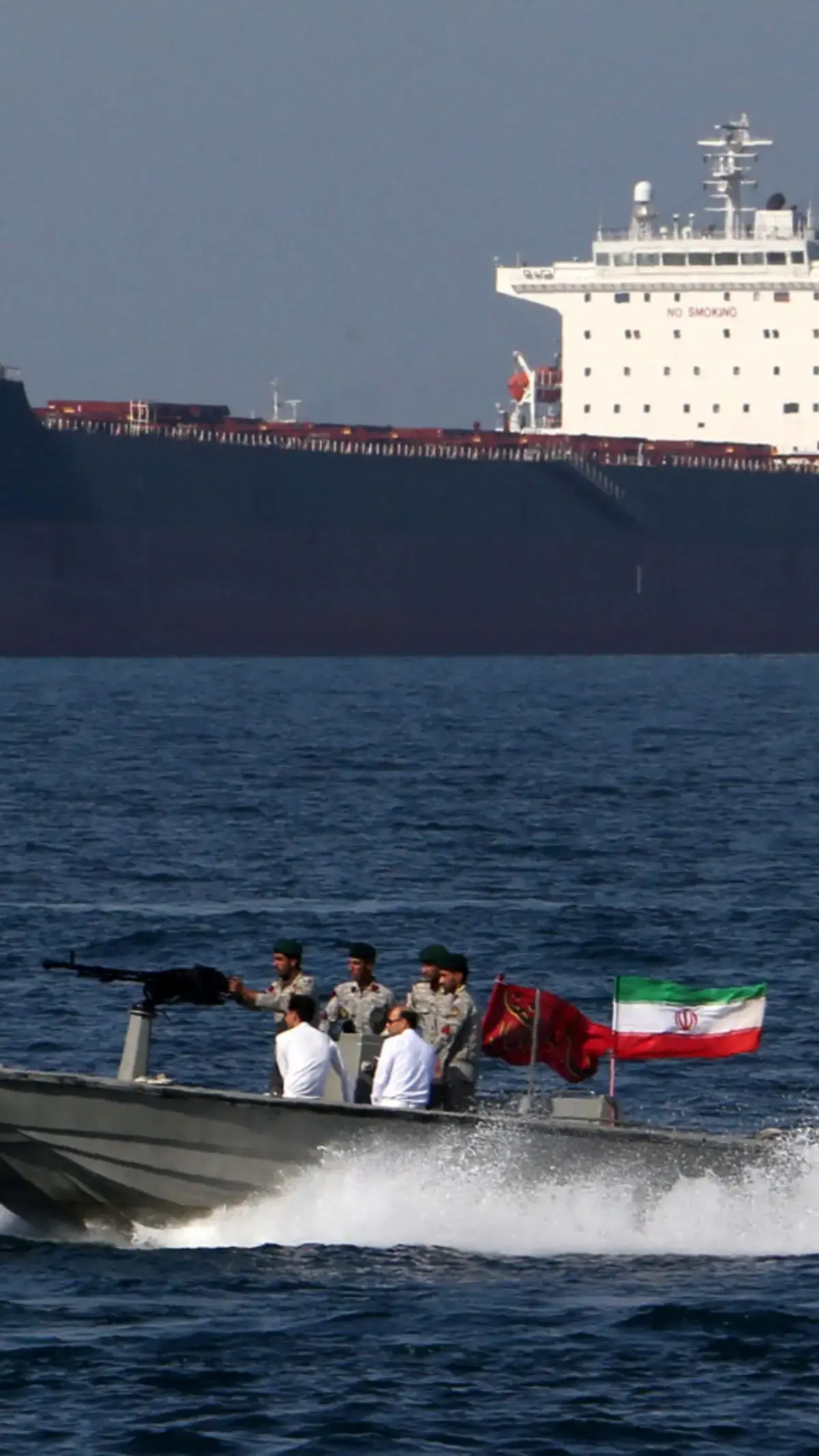
The deal is seen as a significant step towards reducing conflict in the Middle East. Iran's actions in the Strait of Hormuz have been a major concern for global oil supplies. The strait is a critical waterway for oil exports.
Can Tensions Be Kept in Check?
Experts say the agreement may lead to increased security in the strait. „This deal could be a game-changer for the region,”said an analyst. Iran has agreed to reduce its naval presence in the area. This move is expected to ease concerns among oil-producing nations.
The interim peace deal has sparked optimism among investors. Oil prices have fallen by 5% since the announcement. However, some remain cautious, citing the complexity of the region's geopolitics.
The agreement's success depends on both sides adhering to its terms. The US has pledged to ease sanctions on Iran. In return, Iran has agreed to limit its nuclear activities. The deal's longevity will be crucial in determining the strait's future.
Frequently Asked Questions
The consequences of the deal will be closely watched. A more stable Strait of Hormuz could lead to increased global oil supplies and lower prices. The region's economic prospects may also improve.
What is the significance of the Strait of Hormuz? The strait is a vital waterway for global oil exports, with millions of barrels passing through it daily. How will the deal affect oil prices? The agreement is expected to lead to lower oil prices due to reduced tensions in the region. What are the next steps for the US and Iran? Both nations will need to continue negotiations to solidify the terms of the interim peace deal.