The Enduring Nature of Mistrust
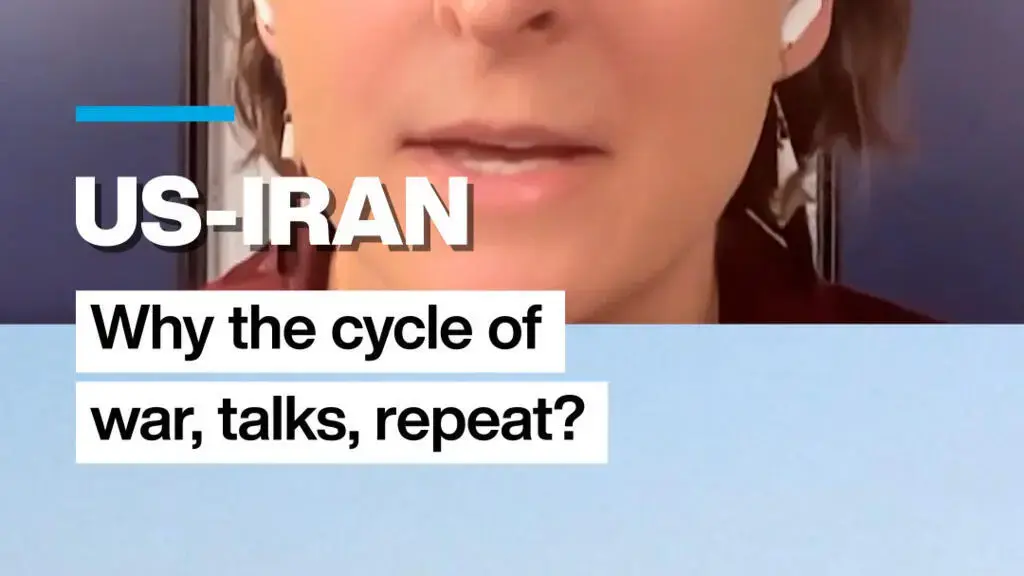
The relationship between the United States and Iran often appears trapped in a recurring pattern. Periods of heightened hostility are frequently followed by attempts at negotiation. This cyclical dynamic raises questions about the underlying causes and potential paths forward.
Experts are examining why this pattern of confrontation and discussion continues to repeat. Understanding these factors is crucial for analyzing future interactions between the two nations. The history is marked by both direct conflict and diplomatic overtures.
A key reason for the recurring cycle is deep-seated mistrust on both sides. Historical grievances and perceived betrayals fuel suspicion. Each nation views the other's actions through a lens of past negative experiences. This makes genuine progress difficult to achieve.
Why Does Diplomacy Often Fail to Achieve Lasting Peace?
Furthermore, domestic political pressures in both countries play a significant role. Hardliners on both sides benefit from maintaining an adversarial stance. This can make it challenging for leaders to pursue sustained diplomatic engagement. The political landscape often dictates the level of hostility or cooperation.
Diplomatic efforts frequently falter due to a lack of comprehensive agreement on core issues. Nuclear ambitions, regional influence, and human rights are persistent points of contention. Partial agreements often leave critical problems unresolved, leading to future flare-ups. The scope of negotiations is often too narrow.
Another factor is the changing geopolitical landscape. External events and the involvement of other global powers can complicate bilateral relations. These external influences can either exacerbate tensions or create new opportunities for dialogue. However, they rarely provide a stable foundation for lasting peace.
The cycle of conflict and dialogue between the US and Iran seems likely to persist. Breaking this pattern would require a fundamental shift in approach from both sides. It would necessitate a willingness to address underlying issues with sustained commitment. Without such a change, the current dynamic will likely continue.
Frequently Asked Questions
What are the main obstacles to lasting peace between the US and Iran? The primary obstacles include deep historical mistrust, differing strategic interests, and the influence of domestic political pressures in both countries. These factors make it difficult to build a stable and cooperative relationship.
How do domestic politics influence US-Iran relations? Domestic politics in both nations often empower hardline factions who benefit from maintaining an adversarial relationship. This can limit the willingness of leaders to engage in sustained diplomatic efforts and compromise.
Why do diplomatic efforts often fail to resolve core issues? Diplomatic efforts frequently fail because they often do not address the full range of core disputes, such as nuclear programs and regional influence. Partial agreements leave critical problems unresolved, allowing tensions to resurface.