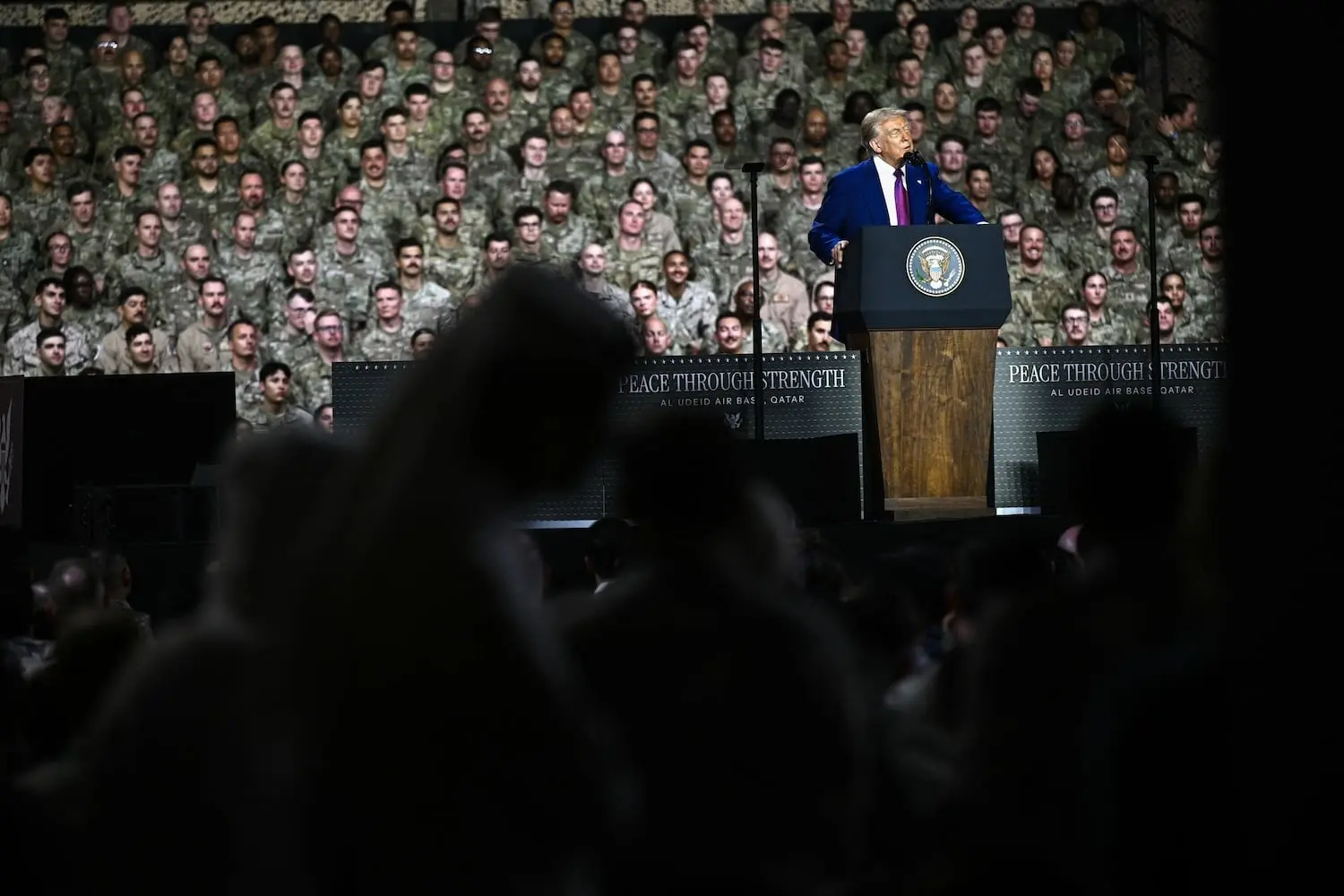
The Vulnerability of Fixed Infrastructure
American military planners face an urgent reckoning following recent conflicts with Iran, exposing deep flaws in longstanding defense doctrines. For decades, United States foreign policy relied heavily on massive, permanent installations abroad to project global power. Modern warfare has rendered these fixed hubs dangerously vulnerable to long-range strikes and agile adversaries. Defense analysts argue that maintaining these static fortresses no longer guarantees regional stability or protects American service members. The old playbook of concentrating forces in centralized hubs belongs to a bygone era of warfare.
Recent military engagements demonstrate a decisive shift toward mobility, concealment, and tactical dispersion on the modern battlefield. Traditional bases act as massive targets for enemy missiles and drones, offering little defensive advantage against saturation attacks. Adversaries now possess precision strike capabilities that can neutralize fixed infrastructure within the opening hours of a conflict. Consequently, maintaining large concentrations of troops and equipment in permanent compounds creates an unacceptable risk.
Military experts emphasize that defending sprawling regional bases demands unsustainable resources and complex logistical networks. When a single adversary can overwhelm local missile defenses with cheap projectiles, the math of permanent basing collapses. Shifting toward a posture of strategic decentralization removes predictable targets and complicates enemy targeting calculations.
Can the Pentagon Adapt to Modern Warfare Dynamics?
Washington must pivot away from heavy regional footprints toward agile, highly mobile deployment models across contested regions. Operating smaller, dispersed units makes it significantly harder for hostile states to disrupt vital operations or inflict mass casualties. This transition requires a complete overhaul of logistics, command structures, and alliance commitments to match twenty-first-century realities.
Embracing a fluid tactical framework allows American forces to deploy rapidly, strike effectively, and relocate before enemies can respond. The ultimate success of this strategy hinges on Washington's willingness to discard outdated Cold War habits and embrace operational agility. Without this fundamental transformation, overseas assets will remain perpetual liabilities in an increasingly volatile global security environment.
Frequently Asked Questions
What prompted the urgent call for a new American military strategy? Recent conflicts involving Iran exposed the severe vulnerabilities of maintaining large, centralized military bases in the Middle East.
Why are traditional military bases now considered dangerous? Advances in precision missiles and drone technology mean fixed infrastructure acts as an easy, high-value target for adversaries.
How can Washington improve its regional defense posture? Military analysts suggest replacing massive permanent bases with mobile, highly dispersed units that are much harder to track and attack.